How this turned into a fascination with leprechauns, stealing their pots of gold and the practice of kissing people just because they may (or may not) be Irish?
Quiq Labs couldn’t tell you. But, what we can do is provide you with a bundle of lesson plans that will make Saint Patty’s Day fun for the entire class . . .
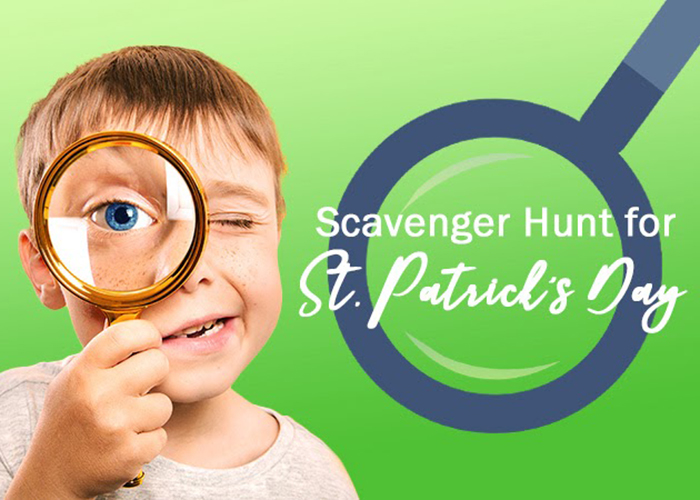
- Scavenger Hunt for St. Patrick’s Day | Physical Activity | 1st—8th grade
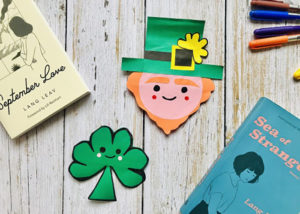
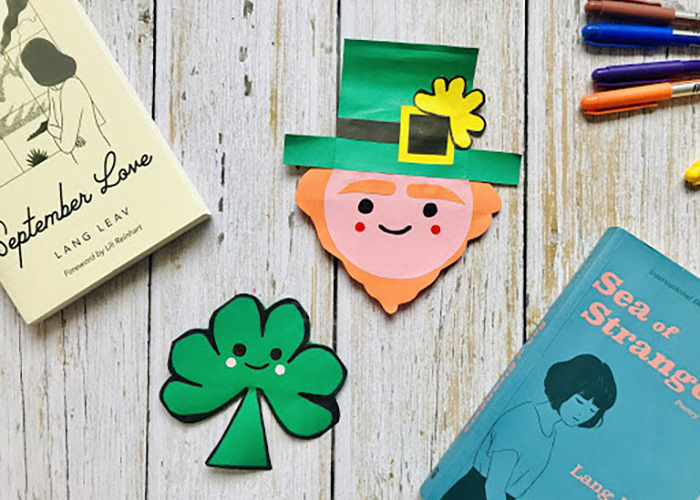
The Leprechaun is a common symbol of good luck and a familiar face when celebrating St. Patrick’s Day. This lesson, students will create a bookmark that looks like a lucky leprechaun.
- Leprechaun Shamrock Bookmarks | Arts & Crafts Activity | 3rd—6th grade
Holidays are always fun to have but this time, we’ll make it even more exciting by doing a scavenger hunt! Come and join the fun in this activity.
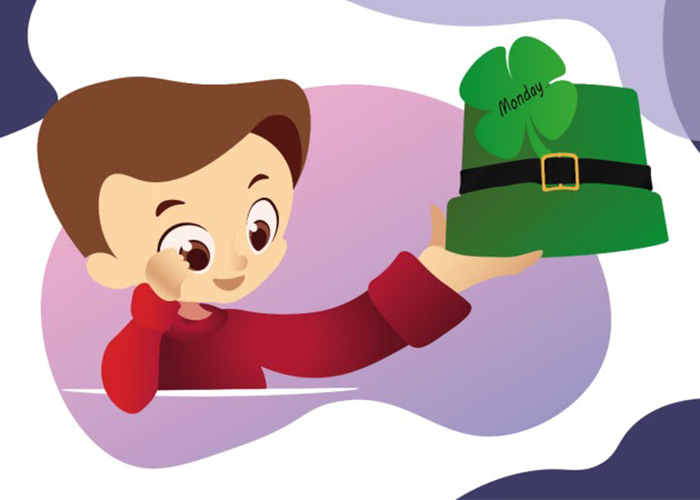
- Leprechaun’s Hat Place Card | Arts & Crafts Activity | 1st—5th grade
St. Patrick’s Day is just around the corner and to show your festive spirit, we are going to create holiday decorations inspired by the Leprechaun’s hat in this art enrichment activity.
Our tutorials will help teachers show students techniques for analyzing inspirational quotes by prominent women in U.S. history and express their own understanding of those sentiments. They will also help them identify women who inspire children the most and show them how to celebrate “girl power!” in positive and empowering ways . . . All year long, not just in March!
Irish immigrants, particularly in the U.S., transformed “St. Patrick’s Day” into a secular holiday of revelry and celebration of all things Celtic. Beginning with Boston in 1737 followed by New York in 1762, cities with large numbers of Irish expatriots (who often wielded major political power), staged extensive celebrations and elaborate parades. Irish and non-Irish alike now commonly indulge by wearing green clothing (although blue was the color traditionally associated with St. Patrick), adorning themselves with shamrocks (the Irish national plant), and enjoying corned beef with cabbage (a staple meal back in the old country). Eventually, some of these practices were adopted by the nation of Ireland itself but this was done largely for the benefit of tourism.